By Brittany Coleman, Divisional Director of Memory Care
A diagnosis of dementia may change someone’s abilities, but it should never change their need for purpose, dignity, connection and a meaningful life.
That belief was at the heart of Embrace Memory Care when the program was created 10 years ago, and it remains at the heart of how we support residents today. As we celebrate a decade of Embrace, I find myself thinking less about how much has changed and more about what has remained constant: our commitment to knowing the person behind the diagnosis and creating moments that matter.
Over the past 10 years, our understanding of dementia support has continued to inform our memory care innovations. We have expanded our focus on personalized engagement, cognitive and whole-person wellness, team education and innovative tools that help us better understand the people we serve. At the same time, our fundamental responsibility has remained the same: create an environment where residents can continue to experience connection, purpose and a sense of belonging.
Looking beyond care needs
We don’t begin each day by asking only, “What does this resident need help with?” We also ask, “What matters to this person today?”
Sometimes the answer can be found in the ordinary parts of the day.
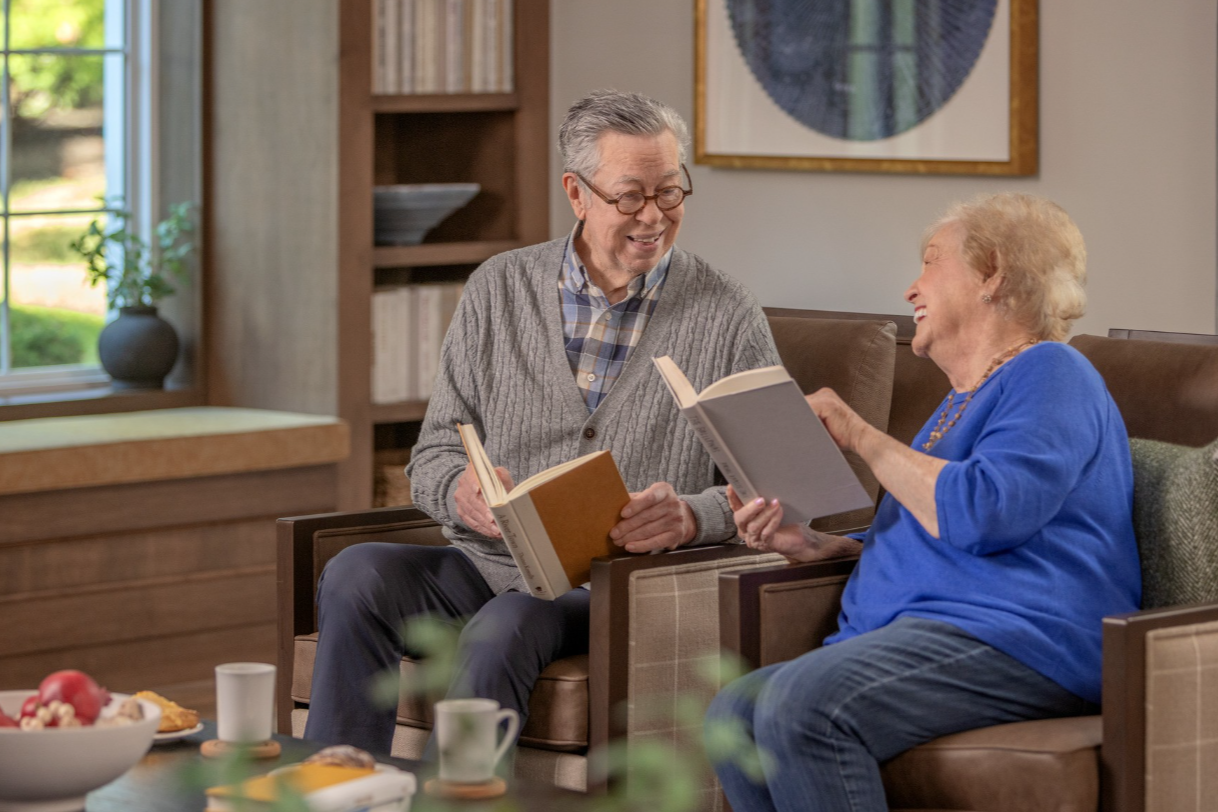
It might be a favorite song playing during breakfast. It could be helping prepare a family recipe through our signature Thymeless program, folding towels because someone spent years caring for their home, talking about a favorite sports team or taking a walk together. Sometimes it is simply sitting beside someone and being fully present.
Those moments may seem small, but they can have tremendous meaning.
That is an important distinction in the way I think about Memory Care. Care is absolutely essential, and safety is foundational. But residents deserve an experience that encompasses much more than receiving care. They deserve opportunities to make choices, contribute, connect with others and continue doing things that feel familiar and purposeful.
Changing expectations around Memory Care
For many families, the words “Memory Care” can initially bring up thoughts about what their loved one may be missing. One of the opportunities we have with Embrace is helping families see what is still possible.
Today’s Memory Care can be vibrant, social, purposeful and highly personalized. Residents can continue discovering interests, building relationships, exercising, creating, learning, celebrating traditions and taking on meaningful roles throughout the day. The goal is to help them feel connected, successful and purposeful.
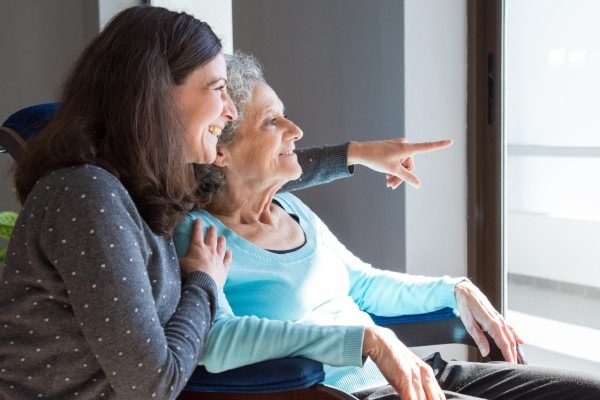
I have seen how powerful that shift can be for families. They may arrive expecting to see what their loved one has lost and instead see them participating, laughing, connecting with others or rediscovering something meaningful.
That can change the way a family sees this next chapter.
Knowing the person makes engagement meaningful
Personalization begins with knowing someone’s story.
The information families share with us when a resident joins our community gives our teams an important starting point. We learn about routines, interests, relationships, traditions, lifelong hobbies and the experiences that have shaped the person. From there, we continue learning.
Engagement can look different from one resident to another, and it can change over time. Our teams observe, listen, review engagement information and partner with families to understand what brings each resident comfort, connection and purpose.
We also use TSOLife, a resident insight and engagement platform, to support this individualized approach. The platform allows our teams to document participation, share updates and photos with families and track interests and engagement patterns. The information gives us a broader view of each resident’s experience and can help us recognize when a different approach or additional support may be needed.
Technology can provide valuable information, but it is the relationship behind that information that matters most. Knowing that someone attended a program is useful. Understanding why they participated, what captured their interest and what helped them feel successful tells us much more.
Supporting cognitive wellness through the whole person
Cognitive wellness is an important part of the dementia journey. Our approach focuses on supporting our residents’ remaining strengths and creating opportunities for success.
Conversation, music, movement, reminiscing, creative expression, sensory experiences, games, familiar tasks and learning opportunities can all support cognitive wellness.
Our signature Spark program takes an even broader view of brain health. Cognitive wellness is connected to other aspects of well-being, including physical activity, nutrition, sleep, stress management and social connection.
Being known, included and valued can have a profound effect on someone’s sense of belonging and overall well-being. Accomplishment can look different for every resident. It might be completing a familiar task, contributing to a group or participating in something new.
Continuing to learn and evolve
One of our most important responsibilities is to keep learning.
Dementia care continues to evolve, and Embrace is designed to evolve with it. We partner with experts who bring specialized knowledge, research and new perspectives to the field. Those partnerships challenge us to keep asking questions and looking for opportunities to strengthen our approach.
We bring those learnings into practical approaches our teams can use every day, from person-centered support and understanding behavioral expressions as communication to supportive environments and meaningful engagement.
Education extends across the community, too. Our community leaders participate in a 2.5-day, in-person Embrace training, and we teach the Alzheimer’s Disease and Dementia Care Seminar, which is required for those pursuing Certified Dementia Practitioner certification. Ongoing education also reaches our interdisciplinary teams because supporting someone living with dementia isn’t the responsibility of one department.
When everyone understands the person-centered philosophy behind Embrace, residents and families experience greater consistency across the community.
Families remain part of the journey
Moving into Memory Care does not mean stepping away from a loved one’s life.
In many cases, it can give families an opportunity to reconnect with the relationship they had before caregiving responsibilities became overwhelming. Families bring invaluable knowledge about a resident’s history, routines, preferences and traditions, and that partnership continues after move-in through care plan meetings, communication, celebrations, family events and everyday moments.
One of my favorite examples of this involved a gentleman who had recently moved into one of our communities. His visits with his daughter were uncomfortable, so our team looked for a way to create a better point of connection.
He was a lifelong baseball fan, so we created a personalized Snapshot basket with vintage baseball cards, a baseball, a book about baseball history and one of his favorites: peanuts.
Before his daughter arrived, our team would get him comfortable with the basket. When she came in, she didn’t have to worry about finding the right thing to say or figuring out how to engage him. She could simply sit beside him and join him in something he knew and loved. Over time, those visits became more pleasant and meaningful.
That is what Embrace is about. Creating meaningful moments for residents and families alike.
Looking toward the next decade
Over the past 10 years, I have seen an encouraging shift in how people think and talk about Memory Care. The conversation is increasingly centered on quality of life, autonomy, purpose, engagement and overall well-being. There is greater recognition that dementia does not erase someone’s personality, preferences, relationships, strengths or desire to make choices.
I believe that is where Memory Care is headed: toward an experience that is increasingly personalized, proactive, strengths-based and deeply human.
As we celebrate 10 years of Embrace, I am proud of what we have learned and accomplished. I am even more excited about what comes next.
Because while the research, technology and best practices will continue to evolve, the heart of Embrace can remain beautifully simple: know the person, honor their story and create moments that matter.
If your family is beginning to research options or planning for future care preferences, Senior Lifestyle can guide you through available resources, care options, and next steps for your loved one.