
Caring for a family member often begins quietly. A few extra reminders here, a new appointment there, a change in routine that does not feel significant at first. Over time, those can become a larger responsibility that brings emotional, practical and day-to-day considerations. Many families do not identify themselves as caregivers right away. They are simply doing what needs to be done.
A family caregiver support program becomes essential in that space between “helping out” and “making care decisions.” It provides structure when decisions start to multiply, reassurance when uncertainty builds and practical tools when families are trying to make sense of changing needs. Just as importantly, it acknowledges that caregiver well-being is part of the care experience, not separate from it.
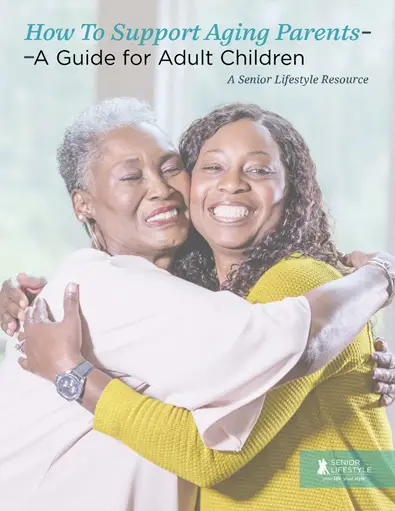
Download Adult children of aging parents
From emotional support and financial concerns, to legal considerations and housing options, there’s a lot to consider when you’re caring for aging parents. This free guide provides research, insights and resources for adults caring for parents.
Download the GuideWithin Senior Lifestyle communities, this perspective is reflected across resources, programming and daily interactions with families. Support is not treated as a single service. It is a connected system of communication, education and community-based care designed to reduce isolation and help caregivers feel more grounded in their role.
Understanding Caregiver Stress Through Lived Experience
Caregiver stress rarely arrives all at once. It builds through small, repeated moments of uncertainty. A familiar routine changes. Conversations become different. Daily tasks may require additional support. Each moment may feel manageable on its own, but together they create emotional fatigue that many caregivers carry without naming it.
Senior Lifestyle resources help families recognize these patterns and respond with clarity. Our caregiver resources serve as a centralized entry point for this support, offering practical guidance and educational materials designed to help families understand what they are seeing and experiencing. Instead of searching across fragmented sources during already stressful moments, caregivers can access structured information in one place.
For example, a daughter noticing early changes in her mother’s memory might turn to dementia education resources to better understand what behaviors to expect and how to respond. A spouse trying to distinguish between depression and cognitive decline can find guidance that helps frame those differences in a clearer, less overwhelming way. These tools do not replace medical advice, but they reduce the uncertainty that many caregivers experience.
How Caregiver Support Programs Show Up In Daily Life
The most meaningful caregiver support programs are often defined by what happens in ordinary moments.
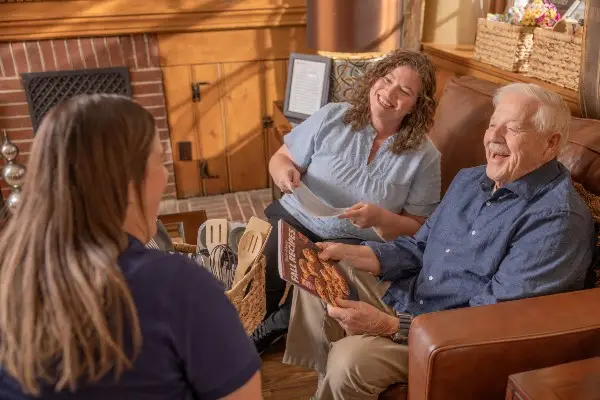
In Senior Lifestyle communities, a family member visiting after work might sit down with a team member who walks them through how their loved one’s day unfolded. The update is not just a summary, but a narrative that includes context: participation in life enrichment events, changes in energy levels, or small social interactions that help families see the full picture of daily life.
In another situation, a spouse attending a care planning conversation may arrive feeling uncertain. Instead of being handed decisions to interpret alone, they are included in a conversation that explains care goals, adjustments and next steps. That shift from passive observer to active participant can significantly reduce emotional strain and help rebuild a sense of control.
Even communication preferences become part of the support structure. A caregiver who may not feel comfortable with frequent updates may be offered weekly summaries instead. Another who prefers real-time communication may receive more immediate check-ins. These adjustments reflect an important principle: support is most effective when it adapts to the caregiver’s reality, not the other way around.
A Place for Guidance and Support
Our caregiver resources extend this support beyond the community setting. It functions as a structured entry point for families navigating care decisions, offering emotional and practical guidance during moments of transition.
Within the resources, caregivers can access educational content that addresses common but often difficult questions:
- How to recognize changes in memory and behavior
- How to support aging parents through transitions in care
- How to understand signs of isolation or emotional withdrawal
- How to prepare for evolving care needs over time
These resources are especially valuable in early stages of caregiving, when families are often unsure what questions to ask. Instead of reacting to moments of urgency in isolation, caregivers can build understanding gradually and return to trusted guidance when circumstances change.
Programs That Reflect Caregiver Support In Action
Beyond educational resources, Senior Lifestyle communities bring caregiver support to life through structured programs that center connection and communication.
Walk With Me
One example is the Walk With Me approach in memory care settings, which emphasizes guided support for residents experiencing cognitive change while also keeping families closely involved. For caregivers, this creates a clearer understanding of daily experiences and reduces the emotional uncertainty that often accompanies cognitive impairment.
Embrace Memory Care
In Embrace Memory Care communities, programming is designed around engagement and connection. Structured routines, meaningful connections and sensory-based events help residents stay connected to daily life while also giving families visible touchpoints of engagement. For caregivers, these moments can reinforce that their loved one is supported in a thoughtful, intentional environment.
Brain Health University
Brain Health University programming further supports residents by focusing on cognitive engagement and lifelong learning experiences. For families, it provides reassurance that cognitive stimulation is part of daily life. It also creates opportunities for shared conversation and connection during visits, shifting family time toward engagement.
Together, these programs illustrate a broader point: caregiver support is not limited to advice or resources. It is reflected in everyday experiences, communication and family partnerships.
Supporting Caregiver Well-Being Through Connection
Caregiver mental health is often shaped by isolation as much as responsibility. Many caregivers describe feeling as though they are managing complex decisions alone, even when others are physically present. The weight of interpretation, anticipation and responsibility can build.
Caregiver support programs replace isolation with structure and connection. In Senior Lifestyle communities, families are supported through consistent communication, shared decision-making and open communication. Over time, this reduces the need for caregivers to carry every question alone.
Equally important is the emotional normalization that comes from education. Educational resources, ongoing communication and trusted guidance help families feel more informed and supported throughout the caregiving journey.
Next Steps for Family Caregivers
Caregiving is ultimately an act of connection. It reflects commitment, history and care that extends across generations. But it also requires support to remain sustainable over time.
A thoughtful family caregiver support program comes alongside the caregiver by providing clarity when things feel uncertain, guidance when decisions feel complex and connection when the process feels isolating.
Senior Lifestyle’s approach brings these elements together through caregiver resources, community-based programs like Walk With Me and Embrace Memory Care and ongoing family engagement practices that prioritize communication and trust.
For families seeking support, the next step is finding a place where questions are welcomed, information is accessible and care is shared.
To learn more about caregiver resources or explore support options within Senior Lifestyle communities, visit our caregiver resources or connect with a local community team member to understand how support can be tailored to your family’s needs.